We are the People. Act of self-determination. Discrimination monitoring
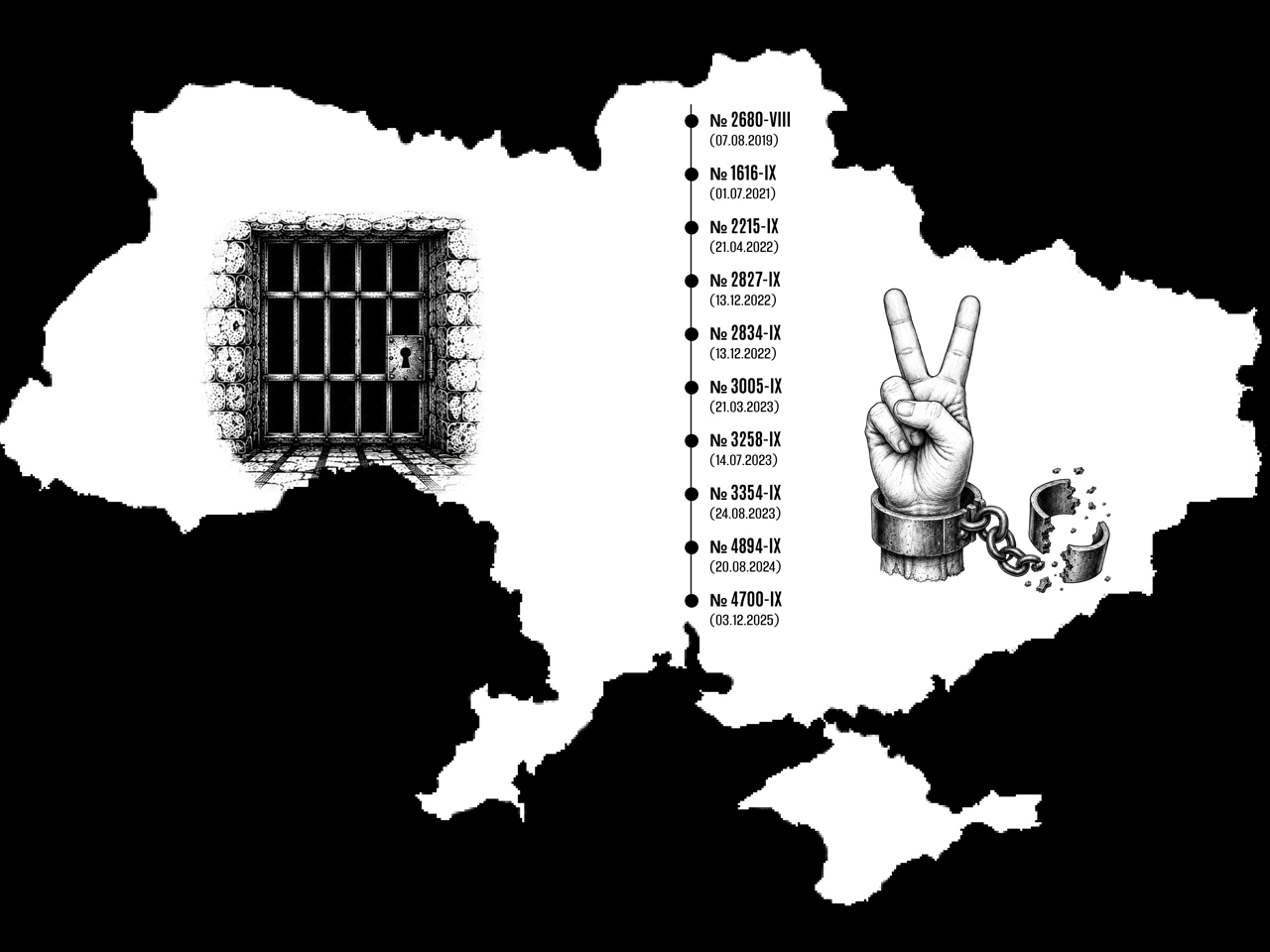
Chronology of the Laws That Eliminated Ethnic Ukrainians as a People, a Legal Category, and a Distinct Nationality
Introduction:
The fact that the Ukrainian People consists of Ukrainian citizens of all nationalities is established in Ukrainian legislation in only two places: the Declaration of State Sovereignty of Ukraine and the Preamble to the Constitution of Ukraine.
The Preamble is the introductory part of the Constitution, a kind of foreword that comes before its articles. It has a founding role and sets out the basic principles, values, and foundations on which the Constitution and the country’s constitutional system are built.
The legal status of the Preamble has always been the subject of considerable legal debate in modern Ukraine. It has never been clearly recognized as a rule of law. Nevertheless, lawyers have used the Preamble as a legal reference ... Read more ⇢
Interethnic and interreligious conflict hidden by the scale of Russian aggression
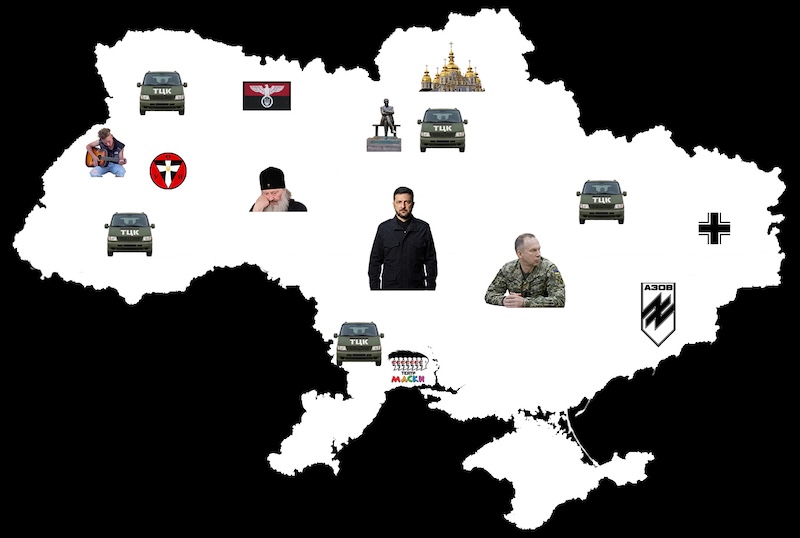
Within just 10–20 years, historians may no longer be able to say with certainty whom Russia was fighting in Ukraine if the army of its enemy was commanded by ethnic Russian Оleksandr Syrskiy, who was born in Russia, whose parents live in Russia, and who barely speaks Ukrainian, while the key government positions in Ukraine and the country’s most recognizable public figures were occupied by anyone except ethnic Ukrainians.
It is impossible to just come with weapons, seize someone else’s property, and declare it your own. Even if the power to do so exists, power by itself does not create ownership rights, and in order to legalize such a seizure. It is always necessary to call into question the existence of the lawful owner or prove that the owner has lost those rights.
Traditionally, the defining characteristics of the existence of a distin ... Read more ⇢
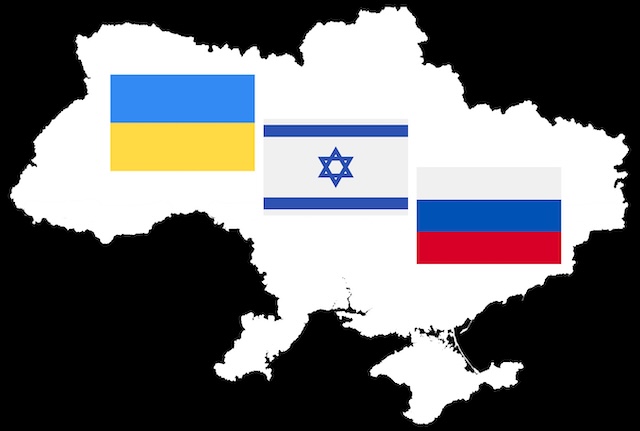
Why Israel Is a Party to the Conflict, and Ukraine Is an Aggressor Alongside Russia
The Ukrainian people formalized an act of self-determination in 1990–1991, when theDeclaration of State Sovereignty explicitly established that Ukraine is a sovereign national state and that the bearer of sovereignty in the Republic is the people of Ukraine.
At the same time, the Declaration had a dual structure: in the section “Self-determination of the Ukrainian Nation” the national-ethnic component was enshrined — the act of self-determination of Ukrainians and the establishment of Ukraine as a national state, while in the section “Popular Sovereignty” the civic component was set out, where the people of Ukraine were defined as the totality of all citizens of Ukraine of all nationalities.
The 1996 Constitution enshrined in Article 5 the provision that the people are the sole source of ... Read more ⇢
Apartheid of Ukrainians and the Hidden Interethnic Conflict
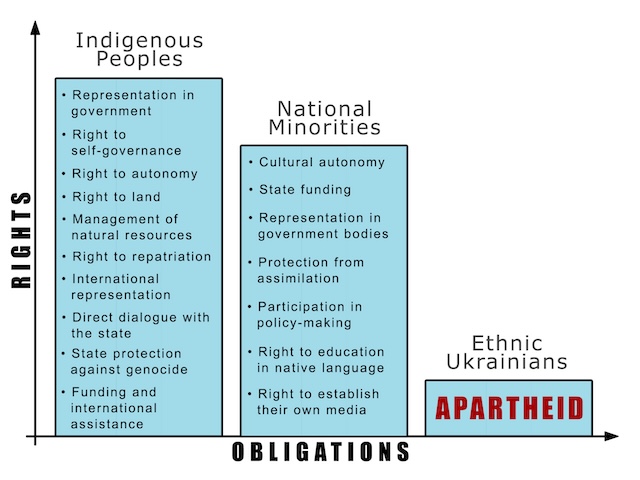
Under the cover of external aggression, a legal regime was established in Ukraine that exhibits features of institutionalized apartheid and interethnic conflict. The largest ethnic group — Ukrainians — has been stripped of status, collective rights, mechanisms of international protection, and even the possibility of legal self-preservation. These changes were deliberately enshrined in national legislation under martial law, indicating a conscious shift in focus from external threat to internal reconfiguration of the sovereign subject.
While formally appealing to the idea of national unity, the state manipulates the concept of “the people” by exploiting constitutional ambiguity between the collective sovereign and the totality of citizens. Depending on political expediency, the authorities arbitrarily alternate between these constructs, e ... Read more ⇢
Interethnic Conflict of Interests
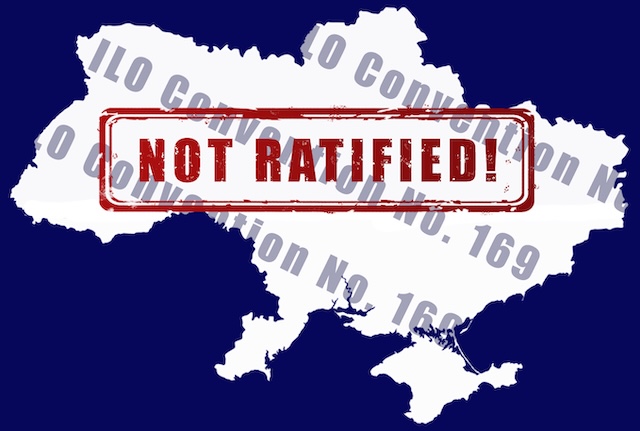
One of the clearest pieces of evidence demonstrating the formal and superficial nature of Ukraine’s Law No. 1616-IX “On Indigenous Peoples of Ukraine” is the fact that, during its adoption, the state employed terminology and rhetoric borrowed from the International Labour Organization’s Convention No. 169 — without actually ratifying the Convention. This creates a fundamental contradiction: Ukraine adopted the external framework of international law but refused to accept its binding obligations.
What is ILO Convention No. 169 and why is it essential?
It is the only universal international convention that protects the collective rights of indigenous peoples. Adopted in 1989, it is considered the principal legal instrument for safeguarding:
– the right to self-determination;
... Read more ⇢
Chronology of the Nullification and Displacement of Ethnic Ukrainians from Ukraine’s Legal Framework
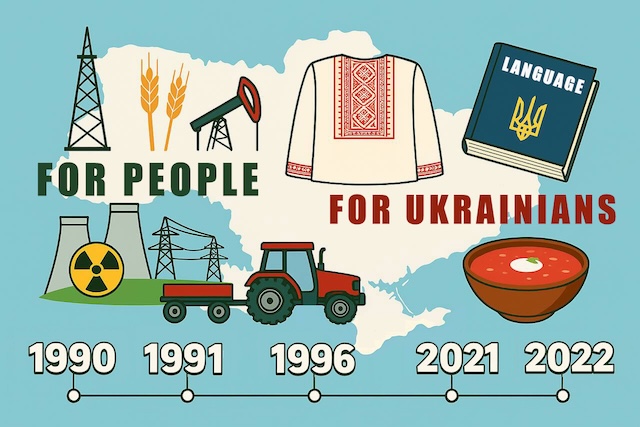
The fundamental misconception of the international community, including Ukrainians themselves, lies in the belief that cultural attributes were perceived as proof of the existence of a people. However, the right to speak the Ukrainian language is not equivalent to the status of a people in the legal sense.
For 21 years, from 1996 to 2021, Ukraine built a civic society in which the concept of “people” was interpreted universally — as the totality of citizens without ethnic distinctions.
But in 2021 the model of state organization was once again restructured — this time along ethnic lines. Certain groups received a legally enshrined status of “people” with all collective rights — to land, resources, self-government, and sovereignty. At the same time, ethnic Ukrainians were left only with language, b ... Read more ⇢
No People, no Duty - Why mobilizing Ukrainians is a Crime
Being part of the people in the Ukrainian legal system is not a matter of symbolic identity but a matter of property and sovereign rights. Across the entire post-Soviet space, the people are recognized as the source of power in every state, but only in two countries — Ukraine and Kazakhstan — the people are also the collective owners of land, subsoil and natural resources.
In Ukraine this is directly enshrined in the Constitution: Article 5 defines the people as the bearer of sovereignty and the sole source of power, while Article 13 establishes that the land, its subsoil and natural wealth belong to the Ukrainian people. In all other post-Soviet states, ownership of land and resources is vested in the state, which fundamentally changes the nature of sovereignty and the mechanism for distributing national wealth.
Unlike Western countries, where the people long a ... Read more ⇢
Evidence of the systematic Genocide of the Ukrainian people
I. International Complicity in the Organization of Internal Terror in Ukraine
The European Union, the United States of America, the United Kingdom, Canada, Australia, Switzerland, Japan, and other donor states bear direct international legal responsibility for complicity in organizing large-scale internal terror on the territory of Ukraine. By continuing to provide multibillion-dollar unconditional funding to the Ukrainian regime in the context of official derogation from its human rights obligations, these states effectively ensure the uninterrupted operation of a repressive apparatus committing systematic international crimes.
Part of the donor countries’ funds is directed toward financing:
-
Forced mobilization of citizens, including elements of violence, criminal prosec ... Read more ⇢
The war through the eyes of a Ukrainian - Legal arguments against State repressions
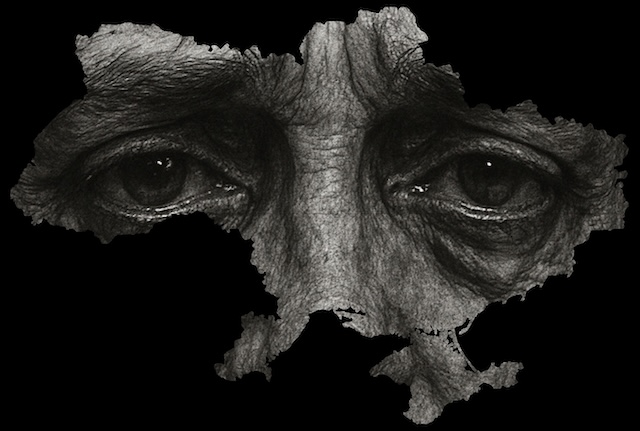
This document provides a comprehensive legal and factual analysis of systemic human rights violations and institutional repression in Ukraine between 2022 and 2025. Based on constitutional law, international treaties, and documented cases, it demonstrates how the Ukrainian government has employed selective conscription, suppression of dissent, and extrajudicial measures under undeclared state of war conditions. The report highlights the use of internal structures - including the Territorial Centers of Recruitment (TRC), the Security Service of Ukraine (SBU), and other state organs - to enforce coercive policies that undermine civil liberties, democratic governance, and legal protections.
The document is not written by a legal professional, but by a Ukrainian citizen directly affected by these policies. Its purpose is twofold:
(1) to raise awareness within the international community a ... Read more ⇢